
How to Deal With Passive Aggressive Behaviour in Your Personal Life and the Workplace
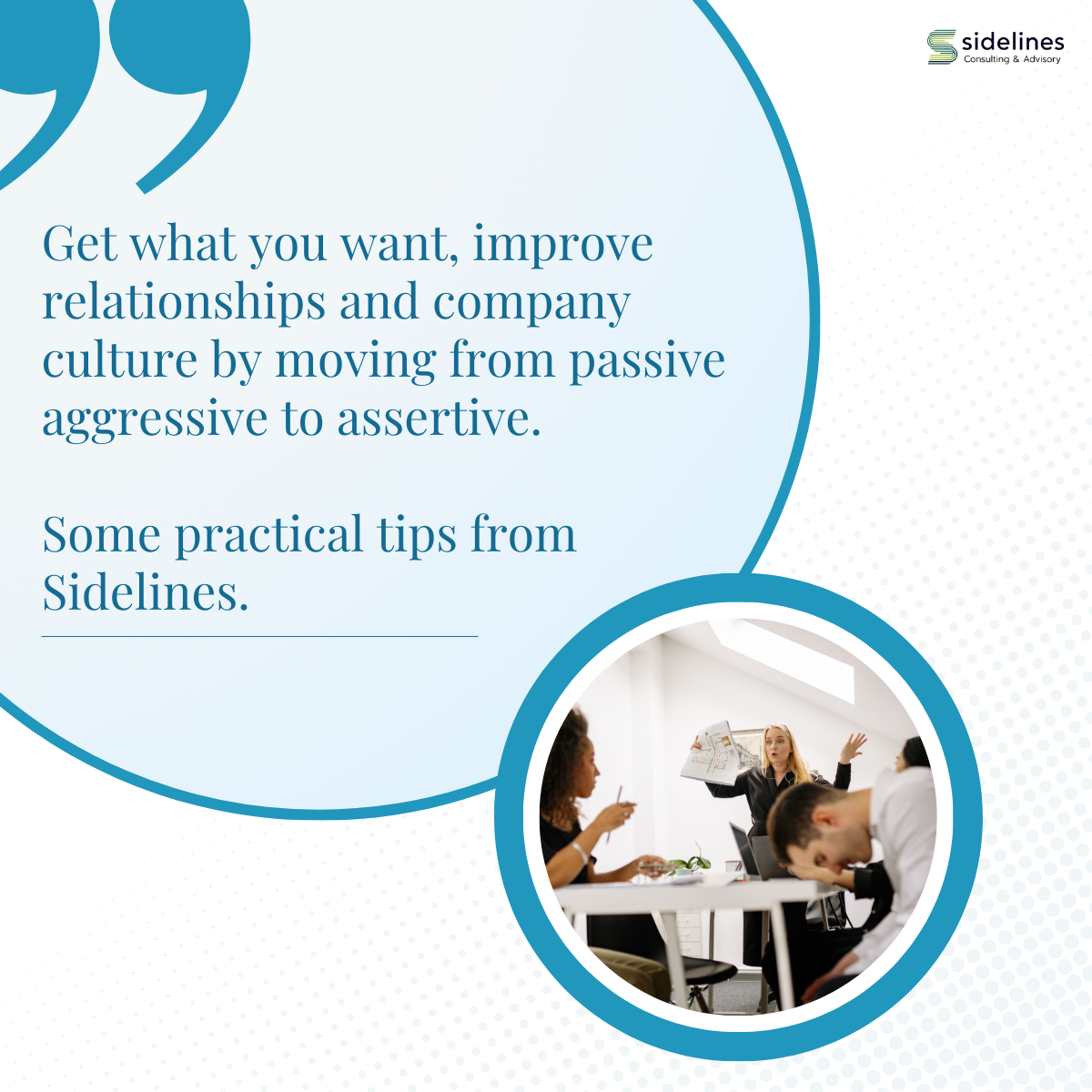
Passive aggressive behaviour can be subtle, confusing, and deeply damaging to both personal relationships and workplace culture. Unlike open conflict, passive aggression often hides behind sarcasm, avoidance, procrastination, or backhanded comments. Over time, it weighs everyone down, prevents needs from being met, and allows resentment to quietly fester.
While we don’t need to “perform a lobotomy” to understand a passive aggressive person, we do need to understand where this behaviour comes from and, more importantly, how it can be addressed in a healthy and constructive way.
Understanding Passive Aggressive Behaviour
Passive aggressive behaviour is typically a learned coping strategy, often developed in childhood. For many people, expressing needs or emotions directly once led to conflict, judgement, or even emotional or physical maltreatment. As a result, indirect expression felt safer than being open.
In adulthood, this pattern can show up as:
- Saying “yes” while feeling “no”
- Withholding information or effort
- Making sarcastic or cutting remarks framed as jokes
- Avoiding difficult conversations
- Deliberately delaying tasks
- Playing the victim rather than stating needs
Although passive aggression can look similar to people pleasing, there is often an undercurrent of anger or resentment that never gets expressed directly. The good news is that because this behaviour is learned, it can also be unlearned through selfawareness, coaching, or therapy.
Passive Aggression in Personal Relationships
In personal relationships, passive aggressive behaviour slowly erodes trust and intimacy. Partners, family members, or friends may feel confused, dismissed, or emotionally unsafe, even if they can’t quite put their finger on why.
Common examples include:
- Giving the silent treatment instead of addressing an issue
- Agreeing to plans and then cancelling at the last minute
- Making comments like “It’s fine, do whatever you want” when it clearly isn’t fine
- Showing affection inconsistently as a form of control or punishment
Practical Tips for Personal Relationships
The following are practical strategies to apply in everyday life (guidance-based, not sourced from the document):
- Name what you notice (without accusation)
Use calm, neutral language such as:
“I’ve noticed when we’re upset, things don’t get talked about directly. I’d like us to try being more open.” - Shift from passive to assertive communication
Assertiveness is not aggression. It means expressing your needs clearly and respectfully, without blame or withdrawal. - Check your own patterns first
If you struggle to get your needs met, ask yourself: What am I not saying out loud? Passive aggression often starts with unspoken expectations. - Create emotional safety
People are more likely to speak directly when they feel heard rather than judged. Focus on listening to understand, not to win.
Passive Aggression in the Workplace
In organisations, passive aggressive behaviour can be extremely damaging to morale, productivity, and culture. It often shows up as missed deadlines, resistance masked as compliance, gossip, or a lack of accountability.
Because workplaces rely on collaboration and communication, passive aggression can quickly spread and become “normalised,” leaving teams feeling frustrated, disengaged, and hopeless.
Examples in the workplace include:
- Agreeing to tasks but not completing them properly
- Publicly agreeing while privately undermining decisions
- Withholding feedback or information
- Making sarcastic comments in meetings
- Repeatedly “forgetting” responsibilities
Practical Tips for Managing Passive Aggression at Work
The following are applied workplace strategies (guidance-based):
- Address behaviour early and directly
Avoid ignoring the issue. Calmly describe the behaviour and its impact:
“When deadlines are missed without communication, it affects the whole team.” - Focus on facts, not character
Stick to observable behaviour rather than labels like “passive aggressive,” which can escalate defensiveness. - Encourage assertive communication
Model what healthy communication looks like. Ask direct questions and invite honest responses. - Set clear expectations and consequences
Passive aggression thrives in ambiguity. Clear roles, deadlines, and followthrough reduce space for indirect behaviour. - Support growth, not punishment
Many people don’t realise they are being passive aggressive. Coaching conversations can help them move from avoidance to assertiveness.
Moving From Passive to Assertive
Whether in personal life or at work, the shift from passive to assertive communication is key. Assertiveness allows needs to be expressed clearly without becoming aggressive, leading to better relationships and greater satisfaction with life overall.
If you struggle with getting your needs met, communicating effectively, or managing a passive aggressive staff member, support through coaching or therapy can be a powerful step toward healthier, more fulfilling relationships—both personally and professionally.
Sidelines Consulting and Advisory are a team of expert coaches that can help you and your team become more effective communicators and improve workplace culture. Contact us
Leave a Reply